Introduction
When it pertains to enhancing the visual appeals and security of your residential or commercial property, fencing plays an essential function. Nevertheless, it's not almost looks or personal privacy; the option of fencing material can have significant environmental implications. In Melbourne, homeowners are increasingly ending up being mindful of how their choices affect the planet. This post digs deep into "The Environmental Effect of Different Fencing Products in Melbourne," evaluating numerous alternatives from a sustainability perspective.
Understanding Fencing in Melbourne
What is Fencing?
Fencing describes any barrier that confines an area, typically constructed from different materials such as wood, metal, vinyl, or even natural hedges. In Melbourne, the most popular types consist of wood, colorbond steel, and composite materials.
Why is Product Option Important?
The product you pick for fencing can determine its sturdiness, cost-effectiveness, and ecological footprint. Each product includes its https://stephenouhh421.raidersfanteamshop.com/melbourne-s-eco-conscious-approach-to-sustainable-fencing advantages and disadvantages.
The Environmental Impact of Various Fencing Materials in Melbourne
Choosing the ideal fencing product isn't practically aesthetic appeals; it likewise includes considering the eco-friendly repercussions. Let's check out how different materials determine up against each other.
Timber Fencing
Pros and Cons of Timber
- Pros: Renewable resource if sourced sustainably. Natural appearance that blends well with Australian landscapes. Provides insulation benefits. Cons: Susceptible to bugs like termites. Requires regular upkeep (painting/staining). Deforestation concerns if not sourced responsibly.
Colorbond Steel Fencing
Durability Meets Sustainability
Colorbond steel is celebrated for its longevity and strength versus harsh climate condition. However what about its ecological impact?
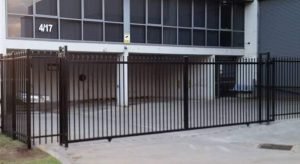
- Benefits: Made from recyclable materials. Long lifespan reduces the need for replacement. Low upkeep compared to timber. Drawbacks: High energy consumption during production. Limited insulation properties compared to timber.
Vinyl Fencing
An Alternative Choice
Vinyl fencing has gained popularity due to its low upkeep requirements. However, what is its ecological footprint?
- Advantages: Resistant to rust and decay. Does not require painting or staining. Disadvantages: Made from PVC, which has environmental issues throughout production. Difficult to recycle after its lifespan ends.
Composite Fencing
Combining the Best of Both Worlds
Composite fencing combines recycled wood fibers with plastic resins. Is it a sustainable option?
- Pros: Made from recycled materials. Highly durable and resistant to rot and insects. Cons: Higher preliminary expense compared to standard materials. Not all composites are developed equal; some might include harmful chemicals.
Natural Alternatives in Melbourne
Hedge Fencing
A Living Barrier
For those looking for an environment-friendly option, hedge fencing provides a gorgeous solution that's alive!
- Benefits:
- Provides environment for local wildlife. Absorbs CO2 while supplying privacy.
- Requires continuous maintenance (cutting). Takes time to establish a strong barrier.
Bamboo Fencing
Sustainable & Stylish
Bamboo is often overlooked but can be an extraordinary choice for ecologically mindful homeowners in Melbourne.
- Advantages:
- Fast-growing sustainable resource. Naturally pest-resistant without chemical treatments.
- May not be as resilient as wood options. Limited schedule depending on local suppliers.
Evaluating Lifecycle Impacts
Production Phase
Each product has a different carbon footprint related to its production:
|Product|Carbon Footprint|Sustainability Ranking|| -----------------|-------------------|----------------------|| Wood|Moderate|High (if sourced sustainably)|| Colorbond Steel|High|Moderate|| Vinyl|Extremely High|Low|| Composite|Moderate|Moderate|| Bamboo|Low|High|
Installation Phase
How much energy does each fencing product consume during setup?
Timber needs basic tools however can be labor-intensive based on style complexity. Colorbond steel typically needs customized tools but installs rapidly due to pre-made panels. Vinyl fences are light-weight however still require mindful handling throughout installation. Composite products usually come ready-to-install but can be much heavier than other options. Bamboo needs mindful planting and spacing factors to consider for ideal growth.End-of-Life Considerations
What takes place when your fence reaches the end of its life process?
Timber can disintegrate naturally if without treatment or be repurposed into mulch or chips. Colorbond steel is extremely recyclable at metal facilities with minimal loss in quality. Vinyl fences typically wind up in land fills since recycling options are restricted due to PVC's composition. Composite materials might have mixed recyclability based on their specific components. Bamboo fences can compost back into soil if unattended or managed properly.Legislative Aspects Affecting Fencing Options in Melbourne
Local Regulations
Understanding local regulations can even more influence your option of fencing products:
Many councils enforce limitations on height and type based upon visual worths or area character guidelines. Environmentally friendly propositions may provide incentives for sustainable options through refunds or grants.FAQs
What is the most environmentally friendly fencing material offered in Melbourne?
Bamboo is considered among the most sustainable choices due to its fast development rate and low carbon footprint throughout production.
Is Colorbond fencing recyclable?
Yes! Colorbond steel is made from recyclable products and maintains premium standards even after recycling processes.
How long does timber fencing last?
Does vinyl fencing have any environmental drawbacks?
Yes, vinyl is made from PVC which has significant environmental concerns during production and minimal recycling possibilities post-consumer use.
Are composite fences ecologically friendly?
They are normally more sustainable than conventional choices considering that they make use of recycled products; however, they vary extensively based upon brand specifications concerning chemicals utilized in producing processes.
What should I consider when choosing a fence type?
Examine elements such as durability, aesthetic appeals, upkeep requirements, life expectancy expectations, regional climate conditions affecting longevity/quality degradation in time along with sustainability considerations!
Conclusion
In summary, "The Ecological Impact of Different Fencing Materials in Melbourne" produces vital insights into making informed choices that benefit both your residential or commercial property and our world as an entire! Whether you opt for eco-friendly bamboo or robust Colorbond steel depends mostly on personal top priorities-- balancing aesthetics with sustainability while sticking carefully within relevant legislative frameworks warranties that your choices support both individual requirements together with broader community interests!
While it is necessary to take pleasure in owning home visually created areas like gardens fenced off stylishly-- it's equally essential we consider potential repercussions stemming from these choices leading towards boosted environmental footprints-- because every bit counts!